

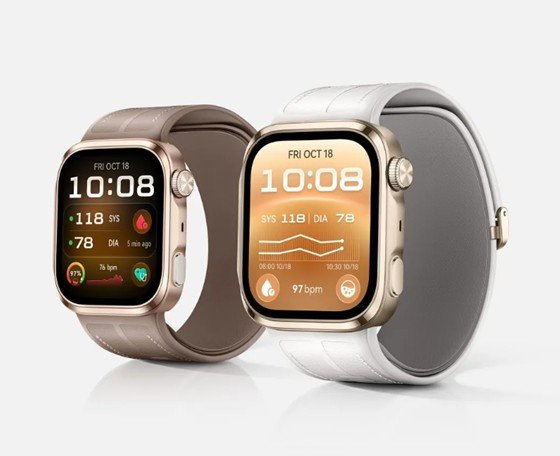
Resting heart rate is one of the few vital signs that ordinary people can check without a clinic visit, yet it is rarely given the attention it deserves. A typical adult resting heart rate sits somewhere between sixty and eighty beats per minute, but the number itself tells only part of the story. What matters more is the direction of travel over weeks and months: a gradual drift upward, unexplained by obvious triggers such as illness or poor sleep, can be an early signal that recovery, stress or cardiovascular conditioning is out of balance. Conversely, a slow, steady decline across a season of regular movement often reflects the quiet benefit that consistent exercise confers on the heart.
Regular aerobic exercise tends to lower resting heart rate over time, because a well-trained heart becomes more efficient at pumping blood with each beat. Strength training, active commuting and even daily walking contribute to this effect, although the magnitude varies between individuals. A major analysis pooling data from more than two hundred and seventy randomised trials, involving nearly sixteen thousand participants, found that aerobic training reduced resting blood pressure by around four and a half over two and a half millimetres of mercury on average, with combined aerobic and strength work producing even larger systolic reductions. Resting heart rate tends to move in the same favourable direction, but only when it is measured consistently enough to be interpreted.
Age, genetics, medications, hydration and ambient temperature all influence the number on the wrist, which is why the value of a single reading is so limited. A higher resting pulse on a hot, humid afternoon, or during a period of disrupted sleep, is not necessarily a cause for concern. The personal baseline built up over weeks of ordinary life is what turns the number into information. Without that baseline, a wearer has nothing meaningful to compare today’s reading against, and every glance at the screen risks becoming a minor anxiety rather than a useful signal.
This is where continuous sensing on the wrist becomes genuinely useful. A reliable heart rate monitor watch does more than flash a number during a workout; it builds a continuous picture of how the body responds across ordinary hours — at a desk, on a walk, during a restless night and through the quiet minutes after waking. When those readings are gathered without conscious effort, trends emerge that a single appointment can never capture. To understand how exercise and recovery shape these patterns over time, it helps to read a specialist explanation of what changing blood pressure readings can reveal about effort and recuperation, since the same contextual thinking applies to heart rate.
Recovery heart rate is equally informative. How quickly the pulse drops in the first minute after stopping exercise reflects autonomic resilience, and a slower decline than usual may suggest inadequate rest, accumulating fatigue or an oncoming illness. Wearable devices that record this recovery curve automatically remove the guesswork from trying to remember a manual reading at the side of a running track. Over weeks, the shape of that curve becomes as meaningful as the peak effort itself, because it speaks directly to how well the body bounces back between sessions.
None of this replaces clinical assessment, and no wrist-worn sensor should be treated as a diagnosis. The value lies in awareness: in noticing when the body is asking for an easier day, when a week of consistent movement is paying off, and when a conversation with a healthcare professional is worth having. Resting heart rate, viewed as a long-term companion rather than a single verdict, becomes one of the most approachable entry points into cardiovascular self-care, and one that fits naturally into a busy life without requiring extra appointments, notebooks or specialised equipment.
The relationship between resting heart rate and blood pressure is closer than most people realise. Both signals reflect the tone of the autonomic nervous system and the flexibility of the vascular system, and they tend to move in the same direction over the long term: people who regularly do moderate aerobic exercise often see both drift gently downward, while periods of high stress, poor sleep or inactivity tend to push both upward. Watching them together, rather than in isolation, gives a more reliable picture of cardiovascular trend than either signal alone.
Turning this continuous data into action is simpler than it sounds. A weekly glance at the average resting pulse is usually enough: if it has crept upward by five or more beats per minute over a couple of weeks, without an obvious reason such as a cold, that is a quiet prompt to look at sleep, stress and movement before the next training block. If it is stable or drifting downward, the current routine is working. No daily drama required, just a steady, long-horizon conversation with the body.
For people new to this kind of tracking, the first few weeks are mostly about building the baseline. The device is worn consistently, the data accumulates, and only after a month or so does the wearer have enough personal history to interpret a single morning reading meaningfully. Patience during that baseline-building phase pays off, because the longer the record grows, the more useful each new entry becomes.
The case for paying attention to resting heart rate is ultimately a simple one: it is a window onto the cardiovascular system that costs nothing, requires no clinic visit, and rewards consistency rather than effort. Worn and observed calmly, over weeks and months, it becomes one of the most approachable and actionable pieces of health information a person can carry on their wrist.
Want to know more? Head over to our blog!